
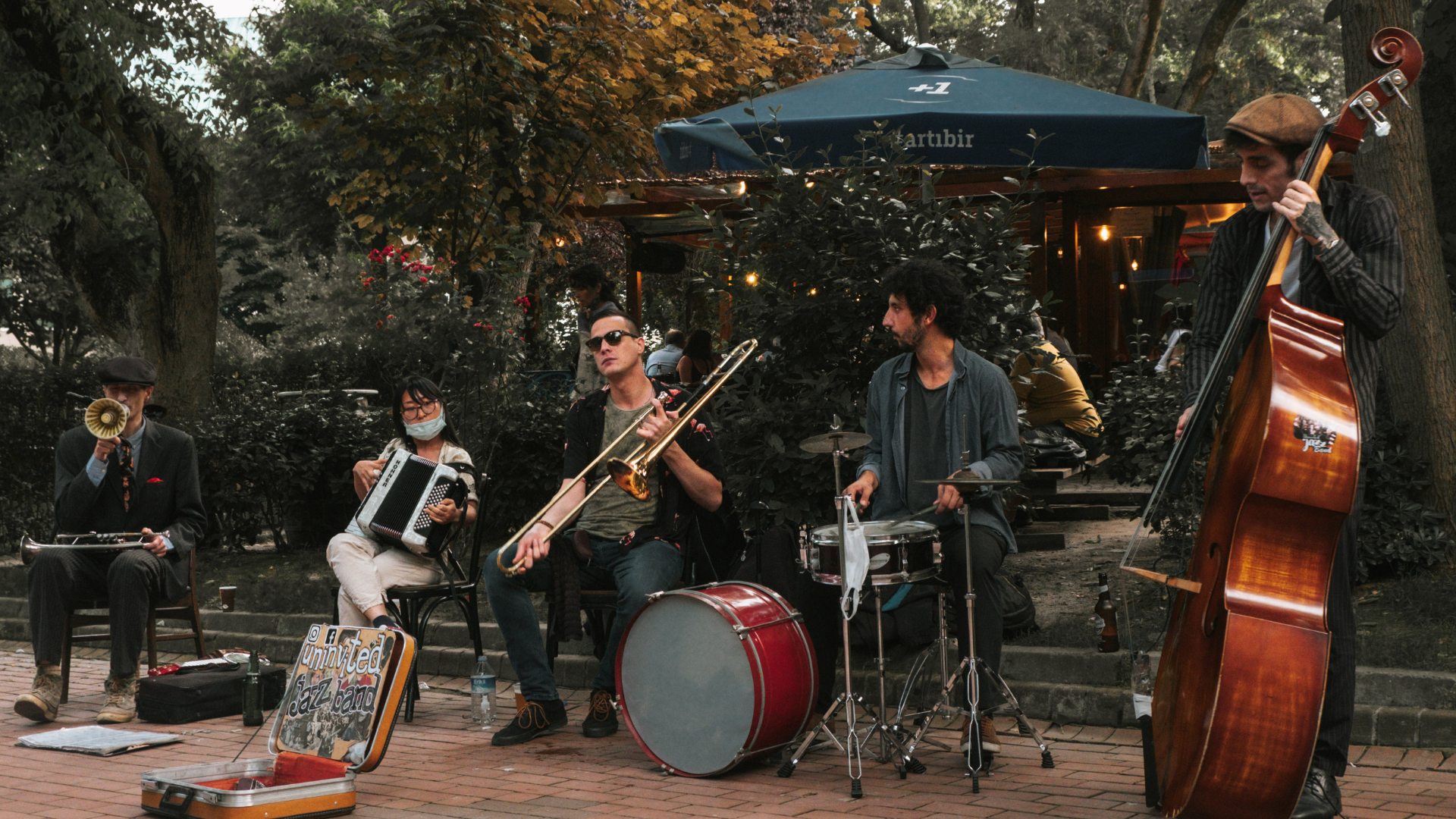
Classic instruments have played a crucial role in shaping the sound and development of modern music. From the piano and guitar to the saxophone and drum kit, these instruments introduced new tones and techniques that continue to influence musicians today. They provide the foundation upon which many genres have been built, bridging traditional and contemporary styles.
The versatility of these instruments has allowed artists to innovate across rock, jazz, pop, and electronic music, adapting their sounds to evolving trends. Their design and unique qualities have made them indispensable tools for creative expression in modern musical landscapes.
Understanding the impact of these classic instruments helps to appreciate how modern music has been crafted and why certain sounds remain iconic. Their legacy remains embedded in both the production and performance of today’s music.
Foundational Classic Instruments and Their Lasting Influence
Certain instruments have shaped music profoundly through their roles in harmony, melody, and the evolution of musical expression. These instruments influenced tuning systems, accessibility in popular music, and craftsmanship standards that persist in modern sound.
The Piano: From Classical Period to Contemporary Sounds
The piano, developed during the classical period, transformed music with its wide dynamic range and ability to play melody and harmony simultaneously. It became central to composers like Beethoven, who expanded expressive possibilities through nuanced touch and complex arrangements.
Its standardised tuning system allowed for precise pitch control, making it essential for both composition and performance. The piano’s adaptability led to its widespread use in popular music, jazz, and classical genres alike.
Craftsmanship evolved to produce instruments with improved action and resonance. The piano remains pivotal for musical education and studio work, bridging historic tradition with contemporary innovation.
The Organ’s Role in Harmony and Melody
The organ is notable for its rich harmonic texture and sustained tones, enabling complex polyphony. It played a vital role in church music, influencing the development of Western harmony and counterpoint through its multiple keyboards and pedalboard.
Its pipes and stops allowed for diverse timbres, supporting melodic lines and intricate harmonies simultaneously. The organ’s design encouraged advancements in keyboard technique, as well as musical notation suitable for layered voices.
Historically, the organ was a symbol of craftsmanship, with builders innovating to enhance tonal variety. It continues to impact modern compositions, film scores, and traditional settings where harmony and sustained sound are fundamental.
Stringed Icons: Lute, Harp, and Sitar Across Eras
The lute, with its delicate sound and frequent use in the Renaissance and Baroque periods, influenced melodic and harmonic textures in European music. Its tuning systems varied, requiring skilled craftsmanship and knowledge to optimise sound and accessibility.
The harp, ancient and versatile, delivers both melody and harmonic accompaniment. It contributed to folk traditions and orchestral music, appreciated for its clear, resonant tone and expressive potential.
The sitar introduced distinctive modal melodic structures to Western audiences, broadening musical vocabulary with its sympathetic strings and intricate tuning. It remains emblematic of cross-cultural exchange, impacting popular music especially from the 1960s onwards.
Traditional and World Instruments Shaping Modern Genres
Many modern music genres owe their distinctive sounds to traditional and world instruments. These have contributed unique rhythms, melodies, and tonal qualities that continue to influence contemporary artists globally.
Percussion Powerhouses: Drums and Djembe in Rhythm
Drums serve as the fundamental rhythm drivers in numerous music styles, from rock to hip hop. The djembe, a West African hand drum, is especially notable for its dynamic range and tonal versatility.
The djembe produces bass, tone, and slap sounds, making it adaptable in ensemble settings and solo performances. Musicians integrate djembes to add complex polyrhythms and organic textures, often missing in electronic percussion.
Both traditional drum kits and djembes shape grooves that define tracks, influencing rhythm patterns across genres like reggae, funk, and electronic music. Their presence emphasises rhythm as a vital foundation rather than just a background element.
The Enduring Voice of the Oud, Tar, and Shakuhachi
The oud, a Middle Eastern lute-like instrument, contributes rich, warm melodies to modern fusion and jazz. Its fretless fingerboard allows for microtonal tuning and ornamentation, creating expressive soundscapes.
Similarly, the tar is a long-necked string instrument prevalent in Persian and Caucasian music. Its bright tones appear in contemporary folk and world music collaborations, connecting traditional motifs with modern sensibilities.
The shakuhachi, a Japanese bamboo flute, offers breathy, meditative tones. It influences ambient, experimental, and electronic music, often used to infuse cultural depth and atmospheric layers into compositions.
Recorder and Tar: Bridging Folk and Pop
The recorder, often associated with early music education, has experienced a resurgence in modern pop and indie genres. It’s clear that pure tone can cut through dense arrangements, providing melodic hooks or counter-melodies.
The tar, beyond its traditional roots, also interacts with popular music through hybridisation. Artists blend their distinctive timbres with electric guitars and synthesisers, creating new textures.
Both instruments help bridge the gap between folk traditions and contemporary styles. They facilitate musical storytelling while introducing unique sound elements that enrich the mainstream music palette.
Revolutionary Electric and Electronic Instruments
Electric and electronic instruments transformed music production and performance. Innovations such as the electric guitar reshaped rock and pop, synthesisers expanded sound palettes, and digital technologies redefined how artists create and manipulate sound.
The Advent of the Electric Guitar
The electric guitar emerged in the early 20th century, with innovators like Les Paul and Leo Fender pioneering designs that amplified string vibrations electronically. This instrument allowed for greater sustain, tonal variation, and volume compared to acoustic guitars.
Its impact was immediate in genres like blues and rock, enabling new playing techniques such as distortion and feedback. Electric guitars became central to the sound of rock ‘n’ roll and later styles, influencing both musical expression and stage performance.
The instrument’s design includes pickups, volume and tone controls, and solid bodies, which reduce feedback and increase durability. Iconic brands like Fender and Gibson set industry standards still followed today.
Synthesisers and the Rise of Electronic Music
Synthesisers generate sound electronically using oscillators, filters, and envelopes. Early models like the Moog and the Roland series allowed musicians to create entirely new timbres, revolutionising music in the 1960s and beyond.
These instruments became fundamental in electronic music genres such as techno and electronic dance music (EDM). Synthesisers enable precise control over pitch, tempo, and modulation, significantly expanding creative possibilities.
Synthesisers also contributed to the rise of ambient and experimental music, broadening cultural perceptions of what music could be. They remain central in both studio recording and live performance environments.
Samplers, MIDI, and the Evolution of Digital Audio Workstations
Samplers record and play back sound snippets, enabling artists to manipulate recorded audio in innovative ways. This technology was crucial in the development of hip-hop and electronic dance music, where sampled beats and loops underpin the genre’s structure.
MIDI (Musical Instrument Digital Interface) standardised communication between electronic instruments and computers, allowing precise control and synchronisation. It revolutionised music production workflows by enabling multiple instruments to be controlled from a single device.
Digital audio workstations (DAWs) integrate recording, editing, mixing, and effects into one software environment. DAWs have drastically lowered barriers to producing music, making it accessible globally while raising concerns about energy consumption and environmental impact due to extensive computing resources.
The combination of samplers, MIDI, and DAWs has reshaped how music is composed and performed, blending electronic and acoustic elements seamlessly.