
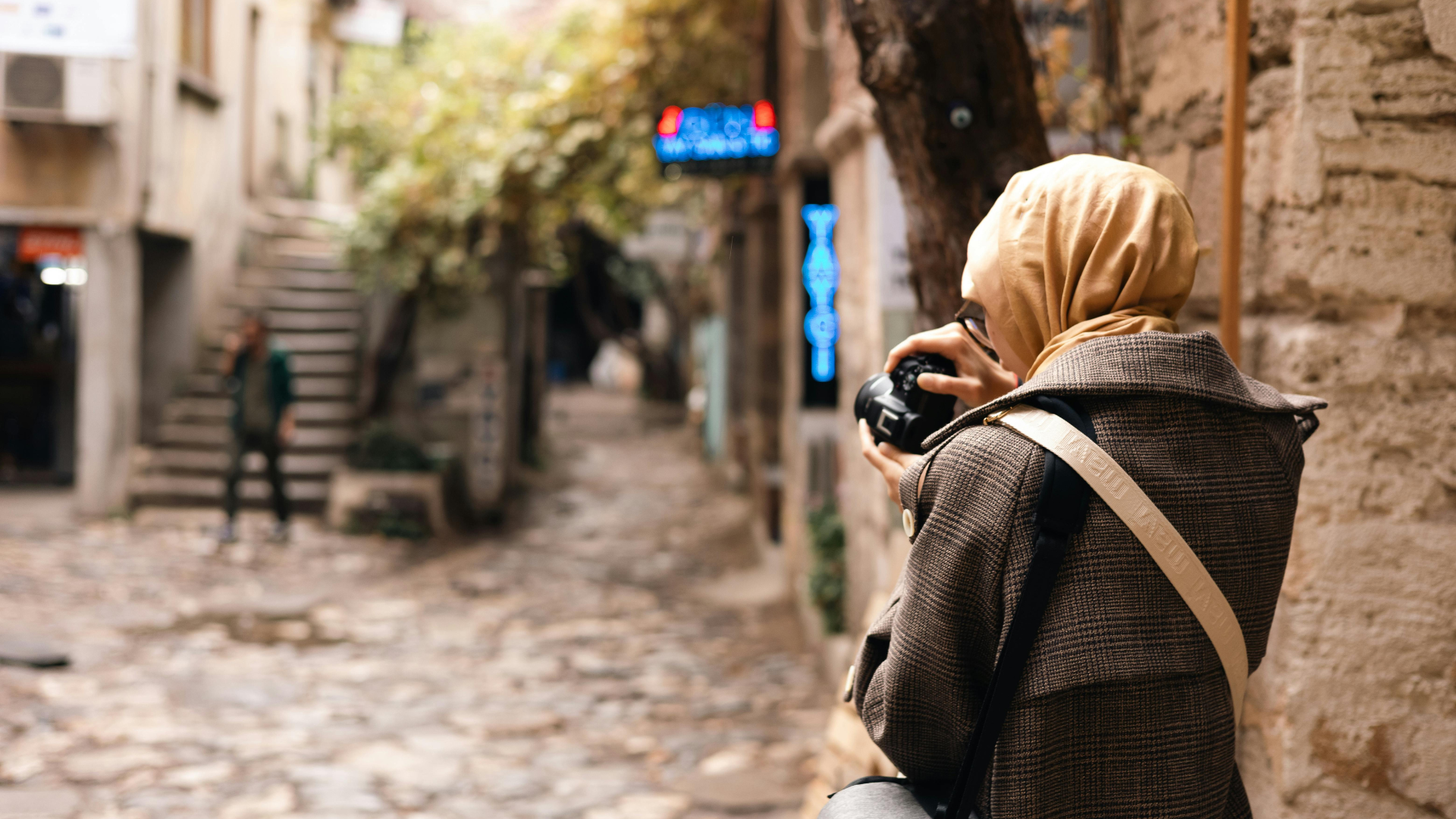
Planning a photography-focused getaway requires a clear understanding of the desired locations and photographic opportunities. Choosing destinations known for unique landscapes, lighting conditions, and cultural elements ensures a productive and inspiring trip. This approach helps travellers prioritise sites that match their photographic goals.
Equally important is researching the best times to visit for ideal natural light and less crowded spots. Packing the right equipment, from cameras to tripods, enhances the ability to capture desired shots efficiently. Thoughtful preparation transforms the getaway into a focused and rewarding photography experience.
Key Steps for Planning a Photography-Focused Getaway
Planning a photography trip requires targeted decisions about location, timing, and cultural awareness to maximise opportunities and respect local norms. Understanding these elements helps create a focused and efficient itinerary.
Choosing the Ideal Destination
Selecting a destination depends on the photographer’s style and objectives. Nature photographers may prioritise national parks or coastal areas, while urban photographers might prefer cities known for architecture or street scenes. Checking for accessibility to key sites ensures time is spent shooting, not travelling.
Photography tours can offer curated experiences, often including exclusive access or local expert guidance. Assessing safety, weather patterns, and infrastructure like transport or accommodations also impacts the choice. It is essential to balance photographic potential with practical considerations.
Timing Your Trip for the Best Light
The quality of light influences image composition and mood significantly. Photographers should plan trips around the golden hours—shortly after sunrise and before sunset—for soft, warm light with longer shadows.
Seasonal changes matter too. For example, some places offer dramatic winter landscapes, while others peak during colourful spring blooms. Consulting sunrise/sunset tables and moon phases helps optimise night or astrophotography sessions. Scheduling flexibility allows adaptation to weather conditions.
Researching Local Culture and Permissions
Understanding local customs helps avoid unintentional disrespect, which can negatively impact interactions. Researchers should identify any restrictions on photography, especially in religious sites or private property, to secure necessary permits in advance.
Engagement with local communities often enhances the experience, generating authentic images. It is advisable to carry identification and respect local dress codes. Some locations require fees or adherence to rules when joining photography tours, which should be confirmed early in planning.
Selecting and Arranging Photography Gear
Planning a photography trip requires careful selection and organisation of equipment. Prioritising the right camera body, lenses, and essential tools ensures preparedness. Backup options and insurance protect against unexpected issues.
Essential Camera Equipment
Choosing the main camera body depends on the type of photography planned. A DSLR or mirrorless camera with good low-light performance is often preferred. Bringing at least two lenses—such as a wide-angle for landscapes and a zoom for distant subjects—covers most scenarios.
A sturdy, comfortable tripod is vital for stability and long exposures. Extra batteries and memory cards are necessary because charging options might be limited. Packing a lightweight camera bag with compartments makes gear easy to access and protects it during travel.
Accessories and Backup Solutions
Accessories like lens filters, cleaning kits, and remote shutters improve image quality and shooting options. UV and polarising filters can reduce glare while adding effects. Lens cloths and air blowers keep optics clean in varying conditions.
Backup solutions should include a portable hard drive or cloud storage for safeguarding photos. Carrying duplicate essentials, such as batteries and memory cards, avoids disruptions. Securing equipment with padded cases minimises damage risk when moving between locations.
Travel Insurance Considerations
Travel insurance for photography gear is essential to cover loss, theft, or damage. Check that policies specifically include electronic equipment and that the declared value matches the retail price. It is advisable to document gear with photos and receipts before departure.
Some insurers offer coverage for rental equipment and professional use, which can be crucial for commercial trips. Confirm any geographical restrictions or exclusions to ensure full protection throughout the trip.
Making the Most of Your Photography Adventure
Maximising a photography trip requires deliberate choices about experiences, ethical travel, and narrative focus. Thoughtful planning ensures meaningful images and memorable moments that go beyond simple snapshots.
Custom and Group Photography Experiences
Choosing between custom and group photography tours depends on personal goals and preferences. Custom tours allow tailored itineraries focused on specific interests such as wildlife, landscapes, or urban scenes. They offer flexibility in timing and subject matter, ideal for serious photographers wanting unique shots.
Group tours provide structured schedules with professional guides and opportunities to network with other photographers. They often include access to exclusive locations and logistical support, easing the burden of planning. Both options require research into the tour’s expertise and equipment support to match skill level and expectations.
Factors to consider:
| Aspect | Custom Tour | Group Tour |
| Flexibility | High | Limited |
| Social interaction | Minimal | Extensive |
| Cost | Often higher | Generally more affordable |
| Location access | Tailored | Predefined |
| Equipment assistance | Usually available | Provided by organisers |
Ethical and Responsible Travel
Respecting local communities and environments is essential during photography trips. Photographers must seek permission before photographing people, especially in indigenous or private settings. Understanding cultural sensitivities helps avoid exploitation or discomfort.
Staying on marked paths preserves natural habitats and prevents damage. Minimising waste and using eco-friendly products supports conservation efforts. Some photography tours specifically promote ethical guidelines, which enhance the experience by fostering respect for subjects and locations.
Adhering to ethical practices builds positive relationships and encourages sustainable tourism, benefiting future visits.
Telling a Story Through Your Images
Creating a coherent photographic narrative enriches the travel experience. Selecting a theme or focus, such as seasonal changes or cultural festivals, helps guide shot composition and subject choices. Capturing details alongside wide scenes adds depth to the story.
Keeping notes or a journal about each location and subject aids post-trip editing and presentation. Combining various perspectives—portraits, landscapes, candid moments—creates a balanced visual story. Consistent editing style and sequencing further enhance the narrative flow.
Effective storytelling turns a collection of images into a meaningful account of the adventure.