
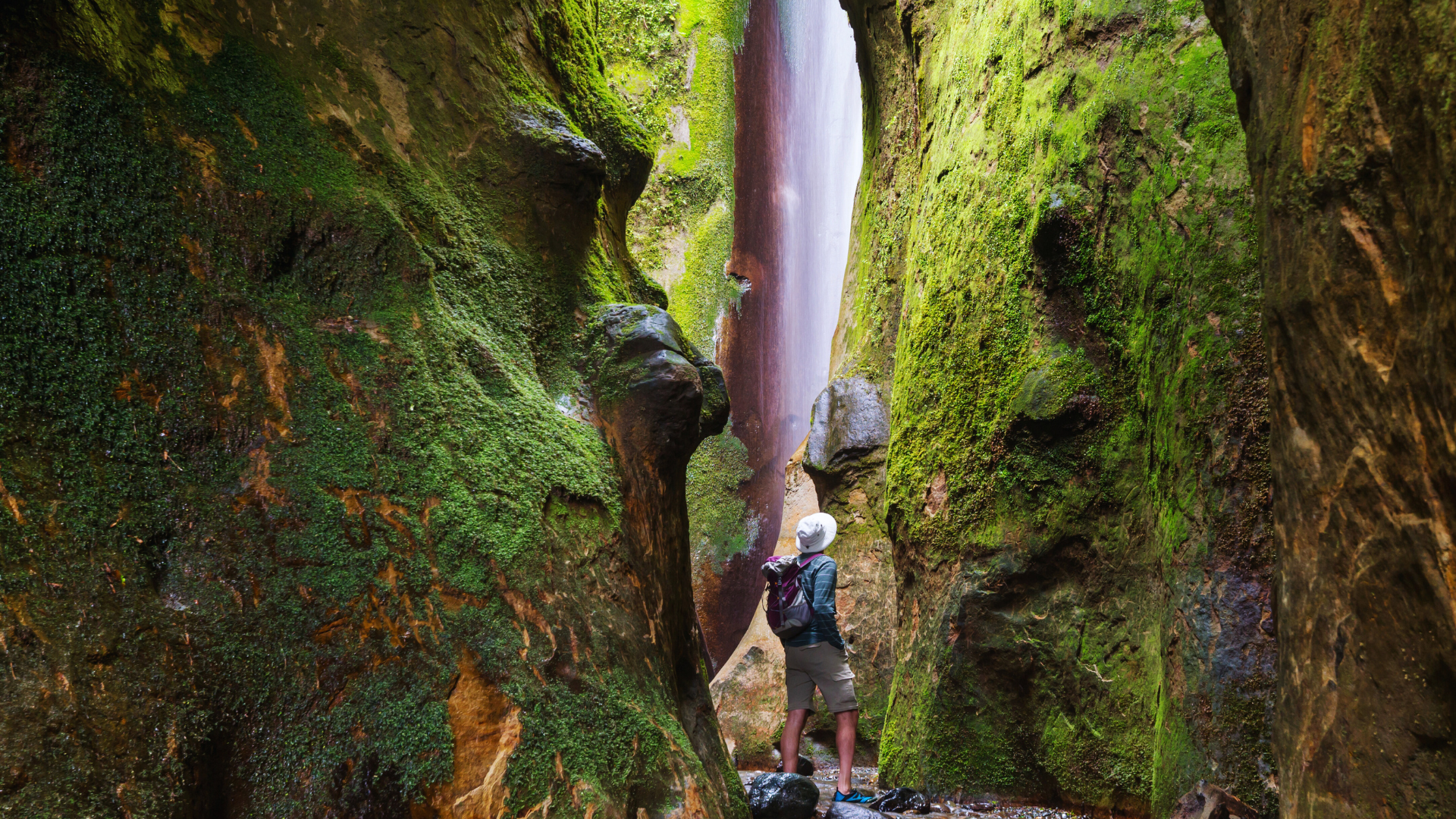
Many travellers stick to well-known landmarks, missing out on unique and lesser-known places that offer rich experiences. Hidden gems often provide a deeper connection to local culture and history without the crowds.
These off-the-beaten-path destinations can transform a trip into a memorable adventure by revealing authentic sights and stories most travellers overlook. Exploring these spots allows for a more personalised and immersive journey.
Discovering hidden gems requires curiosity and a willingness to step away from typical tourist routes. This article highlights some of the best secret locations every traveller should add to their itinerary.
What Makes a Destination a Hidden Gem?
A hidden gem stands apart because it offers unique experiences without mass tourism. Its appeal often lies in its authenticity, accessibility, and ability to surprise travellers who seek something beyond usual routes. Specific factors help identify these places, along with the benefits they bring to explorers.
Defining Off-the-Beaten-Path Destinations
Off-the-beaten-path destinations are locations rarely visited by typical tourists. They usually remain unspoiled by commercial tourism and maintain local culture and traditions. Such places may be small villages, secluded natural spots, or lesser-known cities with rich histories.
These destinations require more effort to reach or discover, often lacking large-scale tourist infrastructure. The rarity of visitors ensures a more intimate and personal experience. They differ from popular sites by providing a quieter, more genuine atmosphere.
Key Criteria for Hidden Gems
Hidden gems share certain characteristics that distinguish them. They include:
- Low visitor numbers
- Authentic cultural or natural features
- Unique or unexpected attractions
- Limited commercial development
For example, a village known for handmade crafts or a remote beach preserved from overcrowding fits this list. Accessibility can be challenging, but it adds to their exclusivity.
Unlike mainstream tourist spots, hidden gems prioritise preserving their identity over tourism profits. This makes them appealing to travellers looking for originality and a deeper local connection.
Benefits of Exploring Lesser-Known Places
Exploring lesser-known places often results in more meaningful travel experiences. Fewer tourists mean less crowding, allowing visitors to engage more deeply with the surroundings. Travellers can meet locals and learn about traditions without the filter of mass tourism.
Hidden gems can also offer more affordable options, from accommodation to dining. Additionally, these destinations help reduce the environmental and cultural strain often seen in highly visited locations.
By choosing such places, travellers contribute to sustainable tourism, supporting communities that benefit directly rather than large tourism businesses. This approach encourages preserving these sites for future visitors.
Exceptional Hidden Gems Every Traveller Should Explore
Some destinations offer unique experiences far from typical tourist paths. They combine natural beauty, cultural richness, and historical significance in ways few travellers anticipate. Exploring these places broadens one’s perspective beyond well-trodden routes.
Unmissable Destinations in Europe
Albania’s Ksamil stands out with crystal-clear waters and white sandy beaches along the Ionian coast. It is less crowded than other Mediterranean locations but offers equally stunning vistas. Nearby, the UNESCO World Heritage site of Butrint showcases rich archaeological remains dating back to ancient civilisations.
Slovenia’s Lake Bled is another must-visit. The lake’s emerald-green waters surround a small island with a church that can be reached by traditional pletna boats. The nearby Julian Alps provide excellent hiking opportunities with breathtaking views.
The Georgian region of Svaneti, nestled in the Caucasus Mountains, combines dramatic landscapes with medieval stone towers. Its remoteness preserves traditional culture and offers authentic mountain trekking.
Mesmerising Asian Retreats to Discover
Laos’ Luang Prabang sits along the Mekong River, blending French colonial architecture with Buddhist temples. The town’s night markets and waterfalls nearby create a calm yet vibrant atmosphere.
Mongolia’s Ulaanbaatar is the starting point for exploring vast steppes and nomadic culture. Visitors often travel to the Gobi Desert or the Altai Mountains, but can also experience urban life and museums in the capital.
The Himalayan region, though vast, includes lesser-known villages where travellers witness traditional mountain lifestyles. These spots provide serene landscapes without the heavy tourism found in more popular areas.
Underrated Spots in the Middle East and Central Asia
Oman’s capital, Muscat, blends modern infrastructure with historic forts and a rugged coastline. It is quieter than neighbouring Gulf cities but rich in cultural sights and local markets.
Jordan offers more than Petra. The Dead Sea’s extreme salt content allows effortless floating, while the desert of Wadi Rum features spectacular red sandstone landscapes ideal for desert camping and jeep tours.
Kyrgyzstan’s Issyk-Kul Lake, one of the world’s largest alpine lakes, lies between mountain ranges. The nearby city of Bishkek supports outdoor activities such as hiking and horse trekking in the Tien Shan mountains.
Remote Marvels Across the World
Malta’s capital, Valletta, is a compact city with impressive Baroque architecture and fortifications dating back centuries. Its location in the Mediterranean has made it a crossroads of history and culture.
These hidden gems reward travellers who seek less commercialised but culturally and naturally rich destinations. Each location offers a distinctive experience shaped by geography and history.
Accommodation and Sustainable Travel in Hidden Destinations
Finding the right place to stay can enhance the experience of exploring lesser-known locations. The options range from small, stylish boutique hotels to eco-lodges designed with environmental impact in mind. Travellers can also contribute positively to local economies by choosing responsible accommodations.
Staying in Boutique Hotels
Boutique hotels often reflect the local culture, offering personalised service and unique interiors that differ from standard hotel chains. These properties usually have fewer rooms, which creates a more intimate and calm atmosphere for guests.
Many boutique hotels in hidden destinations work closely with local artisans and craftsmen, using regional materials and decor. This not only supports local businesses but also provides guests with an authentic sense of place. Additionally, boutique hotels often focus on sustainability practices like reducing waste and conserving energy without compromising comfort.
Choosing Unique Eco-Lodges
Eco-lodges aim to minimise environmental impact while providing comfortable accommodation in remote areas. They frequently use renewable energy sources, such as solar panels, and feature natural building materials like bamboo or reclaimed wood.
Guests at eco-lodges can expect a low-carbon footprint stay, often participating in conservation efforts or learning about local ecosystems. Many eco-lodges implement water-saving systems and waste recycling programmes. Staying here allows travellers to explore nature responsibly while maintaining a minimal ecological footprint.
Supporting Local Communities Through Responsible Travel
Choosing accommodation run by local people or cooperatives helps keep tourism revenue within the community. This promotes economic development and encourages the preservation of traditional ways of life.
Responsible travellers seek places that provide fair wages and safe working conditions for staff. They also prefer accommodations that source food from local farmers and use community-based guides. This approach ensures benefits extend beyond the visitor, fostering long-term sustainability in hidden locations.