
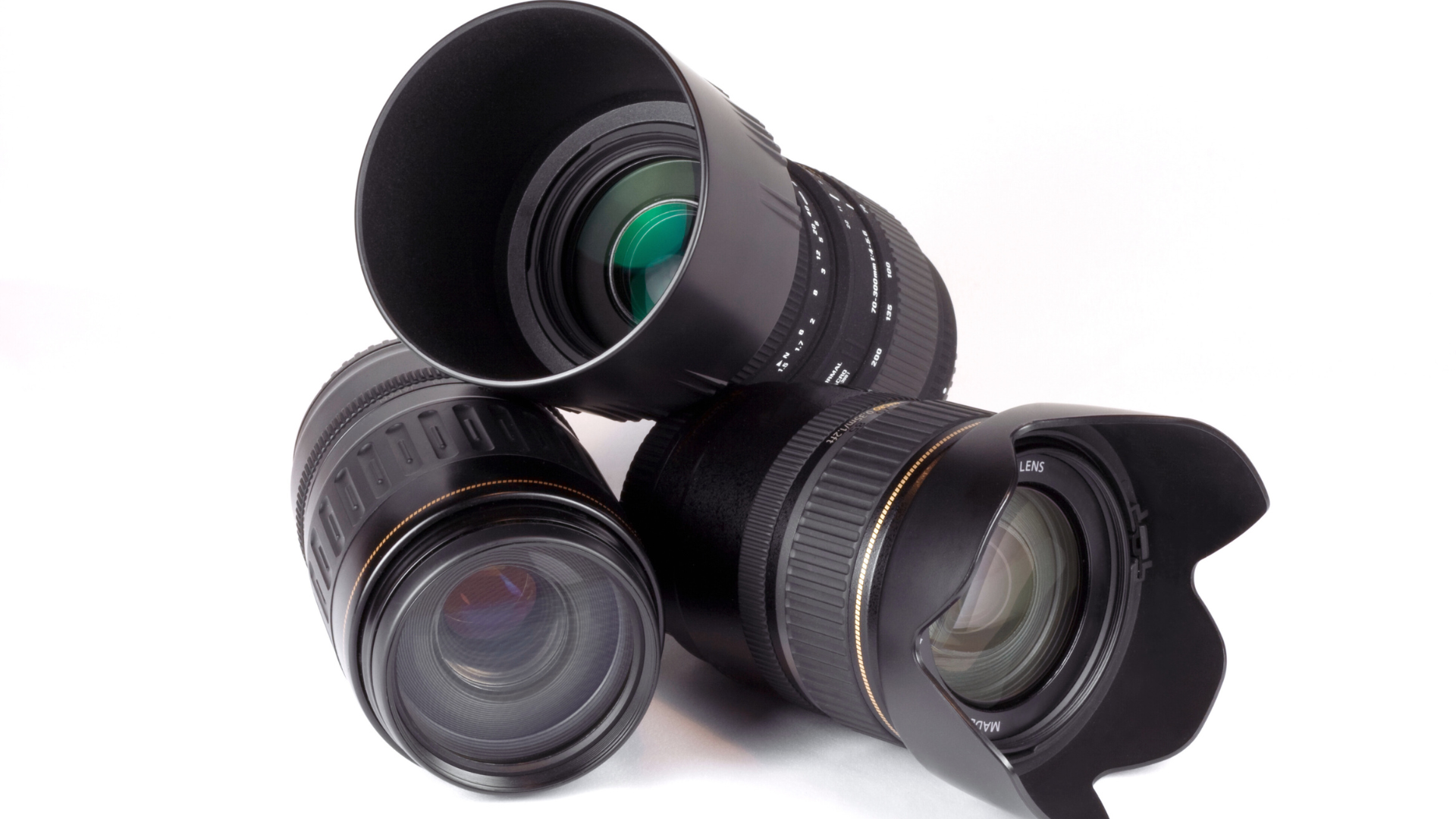
Choosing the right camera lenses can significantly enhance any photographer’s work. The best camera lenses vary based on individual needs, ranging from prime lenses for sharp portraits to versatile zoom lenses for capturing landscapes. Understanding the specific requirements for different photography styles is crucial for achieving the desired results.
Lenses greatly influence the composition, depth of field, and overall quality of an image. Professional photographers often invest time in selecting lenses that complement their camera bodies and shooting preferences, ensuring they have the tools to realise their creative vision. With so many options available, knowing which lenses stand out is essential for both aspiring and seasoned photographers alike.
Exploring the best camera lenses means considering factors such as aperture, focal length, and build quality. This knowledge not only aids in selecting optimal equipment but also empowers photographers to make informed decisions that enhance their craft.
Understanding Camera Lenses
Camera lenses are essential in photography as they directly influence image quality and perspective. Key concepts include focal length, aperture, and the types of lenses available, which collectively affect composition and exposure.
Focal Length and Its Effect on Photography
Focal length, measured in millimetres, determines the lens’s angle of view and magnification. A shorter focal length, such as 18mm to 35mm, is classified as wide-angle. These lenses capture more of a scene, making them ideal for landscapes and architecture.
Conversely, longer focal lengths, like 70mm to 200mm, are telephoto lenses. They offer narrower angles of view, creating a magnified perspective, useful for wildlife or portrait photography.
In general, focal length also influences depth of field. A wide-angle lens typically has a greater depth of field, while telephoto lenses produce a shallower depth, isolating subjects with a pleasing background blur.
Aperture: The Key to Light and Depth of Field
The aperture, indicated by f-stops, controls the amount of light entering the camera. A lower f-stop number (e.g., f/1.4) signifies a larger aperture, allowing more light in. This feature is crucial for low-light conditions and creates a shallower depth of field, perfect for portraits where the subject should stand out.
On the other hand, a higher f-stop number (e.g., f/16) results in a smaller aperture, reducing light intake. This is beneficial for landscapes where a greater depth of field is desired, keeping both foreground and background in focus.
Balancing aperture settings with other exposure elements enhances creative control over photos. Choosing the right aperture can dramatically influence the mood and clarity of an image.
The Distinction Between Prime and Zoom Lenses
Prime lenses have a fixed focal length, meaning they do not zoom. Common focal lengths include 35mm and 50mm. These lenses often provide superior image quality and wider apertures, making them favoured for portraits and low-light photography.
In contrast, zoom lenses feature a variable focal length, allowing for greater flexibility. For instance, a 24-70mm zoom lens can capture a broad range of subjects without changing lenses. This adaptability is particularly useful in dynamic shooting situations.
Each type has its advantages. Prime lenses excel in sharpness and bokeh, while zoom lenses offer convenience and versatility. Photographers often choose based on their specific needs for each shoot.
Macro, Wide-Angle, and Telephoto Differences
Macro lenses are designed for capturing extreme close-ups, revealing intricate details of subjects like flowers or insects. These lenses typically offer high levels of sharpness and a flat field of focus.
Wide-angle lenses, ranging from 14mm to 35mm, excel at capturing expansive scenes. They provide a unique perspective, often resulting in distortion that can enhance creative compositions, especially in architectural photography.
Telephoto lenses, ranging from 70mm upwards, are perfect for bringing distant subjects closer. They compress space, making backgrounds appear closer to the subject, which is beneficial for portrait and wildlife photography.
Each lens type contributes distinctively to photographic expression, influencing how a subject is framed and perceived.
Essential Features of High-Quality Lenses
High-quality camera lenses possess critical features that significantly impact image quality and user experience. Key aspects include optical performance, image stabilisation, and autofocus capabilities, each contributing to the overall functionality of the lens.
Balancing Optical Quality and Build Quality
Optical quality is paramount for producing sharp, clear images. Lenses with high-grade glass and advanced coatings minimise aberrations and enhance contrast. Features such as aspherical elements and low-dispersion glass can dramatically improve image sharpness and clarity.
Build quality is equally important. A durable build ensures that the lens withstands wear and tear from regular use. Weather-sealing and robust materials, like metal housings, enhance longevity. A well-balanced lens not only improves handling but also reduces fatigue during extended shooting sessions.
The Importance of Image Stabilisation
Image stabilisation is vital for photographers working in various conditions, particularly in low light or at high zoom levels. This technology compensates for camera shake, allowing for sharper images without increasing ISO settings.
There are different types of image stabilisation, such as optical and in-body stabilisation. Optical image stabilisation is built into the lens and often provides effective results. In contrast, in-body stabilisation works with multiple lenses, adding versatility. Choosing a lens with reliable image stabilisation can significantly enhance shooting effectiveness.
Autofocus Speed for Different Photography Styles
Autofocus speed is a crucial consideration, particularly for action and wildlife photographers. Quick and accurate autofocus ensures that subjects remain sharp and in focus, even at rapid frame rates.
Different lenses excel in various autofocus technologies. Some use ultrasonic motors for fast, silent focusing, making them ideal for dynamic environments. Conversely, lenses designed for portraits may prioritise smoothness over speed, favouring accuracy in less dynamic settings. Understanding the autofocus system can help photographers select the right lens for their needs, enhancing their shooting capabilities.
Lens Selection Based on Photography Needs
Choosing the right camera lens depends on specific photography needs. Whether capturing landscapes, portraits, or fast-paced wildlife moments, the lens can significantly impact the outcome. Each photography style requires certain characteristics in a lens for optimal results.
Lenses for Landscape and Architectural Photography
For landscape and architectural photography, wide-angle lenses are essential. These lenses typically range from 10mm to 35mm in focal length, allowing for expansive views and capturing intricate architectural details.
Key features to consider:
- Aperture: A lens with a smaller aperture (higher f-number) is suitable for ensuring depth of field.
- Optical Quality: Look for lenses with minimal distortion and good sharpness, especially at the edges.
- Weather Sealing: For outdoor photography, weather-resistant lenses offer durability against the elements.
Using a tripod can enhance stability, especially in low-light conditions.
Portrait Photography and the Quest for Bokeh
In portrait photography, the goal is often to create a beautiful bokeh effect, which isolates the subject from the background. Lenses with a focal length between 35mm and 85mm are popular choices.
Considerations for portrait lenses:
- Aperture Size: A wide aperture (f/1.8, f/1.4) allows for softer backgrounds, enhancing the bokeh effect.
- Focal Length: Longer focal lengths (e.g., 85mm or 135mm) compress the background and create flattering perspectives.
- Image Stabilisation: This feature helps maintain sharpness during handheld shooting, providing an advantage in various lighting situations.
A lens with a pleasing bokeh can transform a standard portrait into a stunning visual.
Wildlife and Sports: Telephoto and Speed Requirements
Wildlife and sports photography demand lenses that can capture fast-moving subjects. Telephoto lenses, ranging from 70mm to 600mm, are essential in these scenarios.
Important features include:
- Fast Autofocus: A crucial element for tracking moving subjects effectively.
- Wide Aperture: A larger aperture facilitates shooting in low-light conditions, crucial for early morning or evening shots.
- Stabilisation: Image stabilisation technologies help achieve sharp images when shooting at long focal lengths.
These lenses empower photographers to maintain distance while capturing detailed shots of elusive wildlife or swift sports actions.
Understanding Camera Compatibility and Lens Brands
Camera compatibility plays a vital role in choosing the right lenses, affecting both performance and image quality. Different brands create specific systems that can impact user experience, while lens options range from affordable to high-end offerings.
Canon and Nikon Lenses: The Industry Pillars
Canon and Nikon are two dominant brands in the photography world, renowned for their extensive lens selections. Canon EF lenses, including staples like the Canon EF 24-70mm f/2.8L II USM, provide exceptional optical performance and versatility. Nikon lenses, such as the Nikon AF-S 24-70mm f/2.8E ED VR, are equally esteemed.
Both brands offer prime lenses and standard zoom lenses, catering to various photographic needs. When selecting between APS-C and full-frame camera systems, compatibility with these lenses is crucial. Many photographers appreciate the durability and weather sealing available in higher-end options, accommodating outdoor shooting conditions.
The Rise of Mirrorless Cameras and Associated Lenses
Mirrorless cameras have changed the landscape of photography, offering compact designs and advanced technology. Both Canon and Nikon have developed new lens systems for their mirrorless lineups, with Canon RF lenses and Nikon Z lenses showcasing modern innovations.
These lenses provide superior autofocus and optical performance, making them appealing to both amateurs and professionals. Mirrorless systems often allow for lighter equipment, enhancing portability without compromising quality. Furthermore, they provide access to cutting-edge features, appealing to those seeking the best mirrorless cameras available.
Third-Party Lenses: Balancing Cost and Quality
Third-party lens manufacturers, such as Sigma and Tamron, offer alternatives that often provide comparable quality at lower prices. The Sigma Art series is widely recognised for its optical performance and affordability, making it a popular choice among photographers looking to expand their kit.
While using third-party lenses, it’s important to check compatibility with specific camera systems. Many of these lenses perform well, offering features like image stabilisation and various focal lengths. They are an excellent option for budget-conscious photographers who want to balance cost with quality without compromising on performance.