
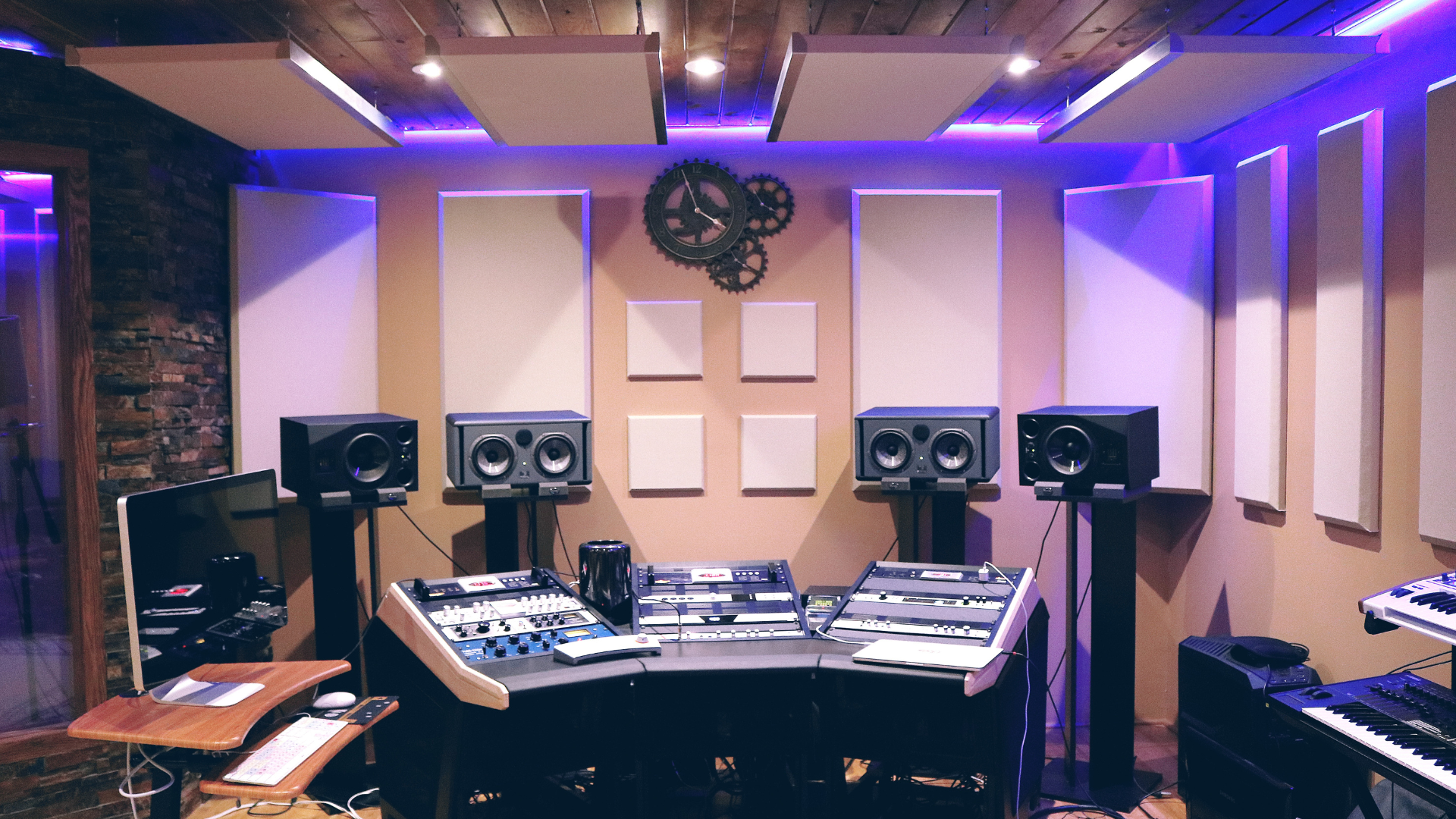
Recording an album can be a transformative journey for any musician. To successfully record an album, an artist must plan meticulously, choose the right studio, and surround themselves with a skilled team. Each step plays a crucial role in turning musical ideas into polished tracks that resonate with audiences.
Understanding the recording process is essential. From songwriting to mastering, the right preparation can make all the difference in achieving high-quality sound. Musicians should also consider how to effectively budget their resources to ensure a smooth recording experience.
Whether an aspiring solo artist or part of a band, embracing the recording process can lead to creative breakthroughs. Taking the time to learn about techniques, equipment, and workflow will empower them to capture their music in the best possible way.
Preparation and Equipment
Proper preparation and sourcing the right equipment are crucial aspects of recording an album. It is essential to select suitable gear and set up the recording environment effectively.
Choosing the Right Gear
Selecting the correct equipment will significantly impact sound quality. Musicians should consider various audio interfaces, microphones, and monitors. The Rega Fono Mini A2D is an excellent choice for those working with vinyl, as it allows direct conversion of analogue signals to digital files through its USB output.
Phono preamps are vital when using turntables, ensuring that the signal is appropriately amplified for recording. For software, Audacity is a reliable option for beginners, while Logic is suitable for more advanced users. Identifying personal needs and budget constraints can help narrow down choices for gear.
Setting Up for Recording
Creating the right environment is as important as the equipment itself. Musicians should find a quiet space to minimise background noise, as this can affect the final mix. Acoustic treatments, such as foam panels, can enhance sound quality by reducing reflections.
Properly positioning microphones is key to capturing the desired sound. Consider distance and angle concerning the sound source. Utilising a digital audio workstation (DAW) allows for easy organisation of tracks and effects, ensuring a smooth recording process. Establishing a workflow that enhances creativity and efficiency is vital for successful album production.
Recording Process
The recording process consists of several key stages that are crucial for producing high-quality audio. Focusing on tracking, editing, mixing, and mastering ensures that the final album meets professional standards for various formats.
Tracking and Overdubbing
Tracking involves recording individual instruments and vocals. It typically starts with a click track to keep everything on time. Musicians often record their performances in separate sessions to allow for greater control.
During overdubbing, additional layers are added to enhance the sound. This may include harmonies, supplementary instrumentation, or vocal effects. Engineers may use techniques like creating a guide track for reference.
Ensuring high audio quality during this stage is vital. He or she should monitor levels to avoid hiss and distortion, which can detract from the listening experience. Recording in a well-treated room further minimises unwanted noise.
Editing and Mixing
Editing is essential in refining recorded tracks. This process includes cutting, moving, and tuning parts to achieve a polished final product. Software tools allow for the removal of mistakes and unwanted noise, which helps create a clean sound.
Mixing is where the individual tracks are blended together. The engineer balances levels, and panning, and adds effects like reverb and compression. This stage is crucial for creating a cohesive sound that is suitable for various formats.
Mixes are tailored differently depending on their final medium. For example, tracks intended for vinyl may differ in dynamic range compared to those for streaming.
Mastering Different Formats
Mastering is the final stage of the recording process. This involves preparing the mixed tracks for distribution. A mastering engineer ensures that the audio sounds its best on all playback systems, from stereo systems to headphones.
During mastering, adjustments may be made to enhance clarity and presence. One key aspect is limiting the audio to control peaks and ensure it complies with loudness standards.
Different formats require specific considerations. For instance, mastering for vinyl demands attention to frequency response and dynamic range, while CD mastering ensures compliance with digital standards. Streaming platforms often favour loud, compressed mixes, which can affect how tracks are processed.
Distribution and Promotion
Effective distribution and promotion are essential for reaching a wider audience and maximising sales. Understanding the different avenues for distributing music and crafting a robust marketing strategy can significantly impact an album’s success.
Vinyl Pressing and Digital Release
Vinyl has seen a resurgence in popularity, making it a valuable format for album distribution. Artists should consider pressing vinyl records to tap into this growing market. The cost of vinyl production can vary, typically ranging from 1,500 to 5,000 for a standard order of 300 pressings, depending on factors like quality and colour.
For digital releases, platforms like Spotify, Apple Music, and Bandcamp offer expansive reach. Distributing via digital aggregators such as DistroKid or Tunecore can facilitate the process. It’s important to track sales history on these platforms, as insights can inform future marketing strategies.
Marketing and Sales Strategy
A well-planned marketing strategy is crucial for promoting an album. This can include a mix of social media campaigns, email newsletters, and live events. Creating engaging content that resonates with fans enhances visibility.
Utilising platforms like Instagram and YouTube can help in reaching potential listeners effectively. Collaborations with influencers or other musicians can bolster outreach.
Pricing strategy should not be overlooked. An optimal price point helps attract buyers while ensuring profitability. Conducting a competitor analysis can provide valuable insights into effective pricing structures.
Maintaining and Growing Your Collection
Proper storage, building connections with other collectors, and exploring second-hand markets are crucial for anyone looking to maintain and expand their record collection. These practices enhance the enjoyment of collecting while also preserving the value of the items.
Storage and Care
To ensure the longevity of records, proper storage and care are essential. Records should be stored upright in a cool, dry environment, away from direct sunlight and humidity. Ideal storage conditions include temperatures between 15 C and 22 C with humidity levels between 40% and 50%.
Using protective outer sleeves, preferably polyethene or polypropylene, helps prevent dust accumulation. Inner sleeves made of acid-free paper or polyethene also protect the vinyl itself. It’s vital to handle records by the edges to avoid fingerprints and grease, which can affect playback quality. Regularly check for dust and clean the records using a carbon fibre brush or a record-cleaning solution designed for vinyl.
Building a Network of Collectors
Engaging with other collectors is beneficial for sharing knowledge and information about rare finds. Joining communities on platforms like Discogs allows access to a wide array of collectors. These networks often share tips on storage, maintenance, and local record shops.
Attending record fairs or local meetups provides opportunities to exchange records or find new additions. Collectors can also benefit from online forums where they can discuss specific genres or share experiences. Building relationships with local shop owners can lead to exclusive deals or early access to new arrivals.
Exploring the Value in Second-hand Markets
Second-hand markets are invaluable for expanding a collection at reasonable prices. Record shops, charity shops, and flea markets often have hidden gems. Knowing the condition and value of items is key; damaged records typically fetch lower prices.
Using resources like Discogs offers insights into pricing and condition grading for various formats, including LPs, 45s, singles, 78 RPM, 12-inch, and 10-inch records. Familiarity with these terms helps evaluate potential purchases more effectively. Sellers often have collections they want to disperse, which can lead to finding quality records for an affordable price.