
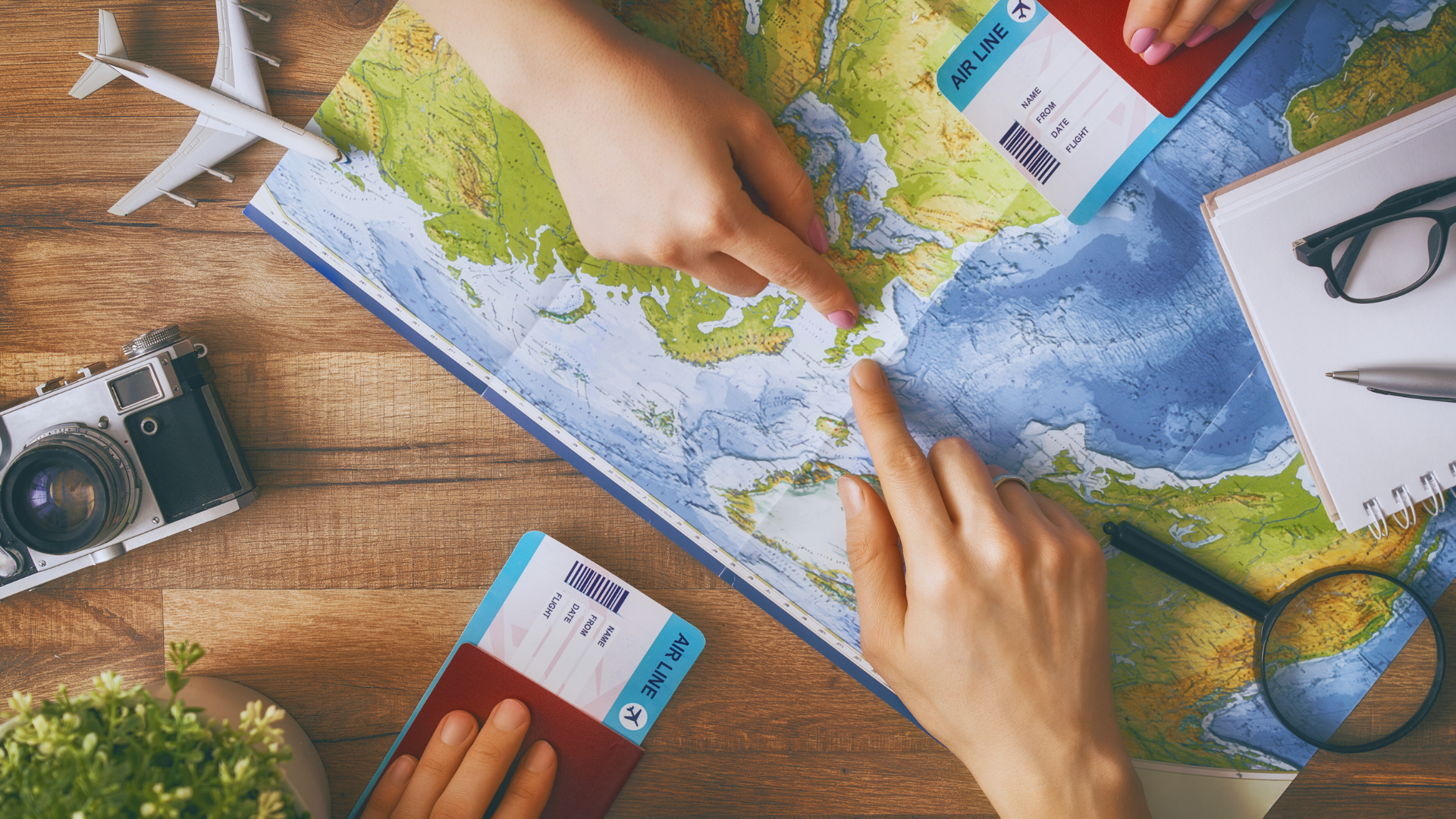
Spontaneous trips offer an exhilarating break from routine, allowing for unexpected adventures and new experiences. To plan a successful spontaneous trip, one must know how to quickly evaluate destinations, set a loose itinerary, and prepare for flexibility in travel arrangements. Embracing spontaneity can lead to memorable journeys without the stress of extensive planning.
One effective method for planning is to select a few potential destinations based on current interests or events, such as festivals or seasonal activities. With essential research, it becomes easier to make quick decisions about where to go and what to see. Having a versatile travel bag packed with necessities can also simplify the process, ensuring readiness for any destination.
In today’s digital age, utilising travel apps can enhance the experience by providing real-time information on accommodations, transport, and local attractions. This technology allows travellers to adjust plans on the go, maximising enjoyment. The thrill of a spontaneous getaway is not only about the destination but also about the freedom to adapt and explore.
Embracing Spontaneity in Travel
Spontaneity is a powerful aspect of travel that allows individuals to step outside their comfort zones. Embracing this mindset opens doors to new experiences while reducing the stress of stringent planning.
Understanding the Mindset for Spontaneous Trips
Adopting a spontaneous travel mindset requires letting go of control. This involves being open to unexpected changes and willing to adapt to new surroundings and suggestions.
A useful approach is to embrace the idea of getting lost. Unplanned detours often lead to memorable encounters, whether it’s a local café or an uncharted path.
To cultivate this mindset, travellers can practice mindfulness. Being present in the moment enhances enjoyment and fosters connections with the environment.
Benefits of Letting Go of Strict Planning
The benefits of spontaneity in travel are significant. Firstly, it fosters a sense of freedom and adventure. Without a rigid itinerary, travellers can make choices based on their evolving interests.
Flexibility in travel schedules allows for serendipitous discoveries. Areas that might not have been on the original agenda can become highlights of the trip.
Additionally, spontaneous travel can strengthen relationships. Shared moments of uncertainty and excitement often create lasting memories and bonds between companions.
Adapting for Type A Personality Travellers
Type A personalities often thrive on organisation and structure, making spontaneous travel challenging. However, embracing flexibility can enhance their travel experiences.
To adapt, they can start with small, manageable steps. For instance, choosing a destination with a few unplanned days can build comfort with spontaneity.
Creating a loose framework for the trip can also help. They can outline must-visit locations, but leave room for improvisation. This approach balances structure with spontaneity, opening up opportunities for unexpected adventures.
Quick Steps for Planning a Spontaneous Trip
Planning a spontaneous trip can be exciting yet requires quick decision-making. A few practical strategies can simplify the process, from selecting a destination to securing travel arrangements and accommodation.
Choosing a Destination Last Minute
When selecting a last-minute destination, consider using travel apps or websites that show trending locations. These tools can provide insights into popular spots based on current events or seasonal attractions.
Budget is also crucial. If finances are tight, look for destinations known for affordability. Research nearby locations that offer unique experiences without high costs.
Lastly, check travel restrictions or requirements for the desired destination. Always ensure that any last-minute decisions comply with safety regulations.
Securing Cheap Flights and Transportation
Finding affordable flights can be streamlined by using flight comparison websites. These platforms can help identify the best deals across different airlines rapidly.
Flexibility with travel dates is advantageous. Flying on weekdays or during off-peak times often yields lower airfares. Setting up alerts for price drops can also be beneficial.
For local transport, consider public transportation options. Buses and trains can provide efficient and budget-friendly alternatives to car rentals.
Finding Accommodation on Short Notice
Websites and mobile apps that specialise in last-minute bookings can be invaluable when seeking accommodation. Options like hostels, guesthouses, or short-term rentals often have availability even close to the travel date.
Make sure to read reviews to ensure quality. It’s wise to confirm cancellation policies before booking in case plans change.
Utilise loyalty programmes if available, as they may offer discounted rates. Additionally, consider reaching out directly to hotels for possible unpublished rates.
Enhancing Your Spontaneous Travel Experience
A spontaneous trip can be invigorating, but certain strategies can make the experience even more enjoyable. By uncovering hidden gems, collaborating with travel partners, and seeking memorable adventures in distinctive locations, travellers can optimise their time away.
Exploring Hidden Gems
Hidden gems can transform a spontaneous trip into an unforgettable experience. These lesser-known attractions often provide a more authentic glimpse into local culture.
Here are some methods to discover them:
- Research Local Blogs: Many cities have bloggers who focus on unique spots. Checking their recommendations can unveil treasures away from the usual tourist routes.
- Ask Locals: Engaging with residents allows for personal insights. Locals often know secret restaurants, parks, or museums that guides might not mention.
- Use Apps: Platforms like Google Maps or TripAdvisor can highlight less frequented attractions if one filters for reviews or ratings.
Finding these hidden gems can lead to unique experiences that typical tourist stops do not offer.
Making the Most of Travel Partners
Travel partners can significantly enhance the spontaneity and enjoyment of a trip. Sharing the experience allows for collaboration and creativity in planning.
Key tips include:
- Establish Preferences: Before departure, travellers should discuss interests and priorities. Whether it’s food, history, or adventure activities, aligning these preferences ensures a cohesive experience.
- Share Responsibilities: Dividing tasks, such as researching attractions or managing logistics, involves everyone in the planning process and maximises efficiency.
- Be Flexible: Spontaneity thrives on adaptability, so partners should be open to shifting plans based on new discoveries or suggestions.
The right travel partner can turn a simple trip into a richer and more enjoyable adventure.
Memorable Adventures in Destinations like Paris and Thailand
Paris and Thailand are prime locations for spontaneous trips filled with memorable adventures. Each offers unique experiences that cater to various interests.
In Paris:
- Picnic at Hidden Parks: Beyond the Eiffel Tower, parks like Parc des Buttes-Chaumont provide serene settings for a peaceful picnic.
- Local Markets: Exploring markets such as Marché Bastille can immerse travellers in local life, featuring artisan foods and unique finds.
In Thailand:
- Off-the-Beaten-Track Islands: Instead of busy destinations like Phuket, visiting lesser-known islands, such as Koh Lipe, reveals stunning landscapes and fewer crowds.
- Street Food Tours: Engaging in street food tours in cities like Bangkok uncovers delightful culinary experiences that showcase authentic Thai flavours.
Both locations offer ample opportunities to embrace spontaneity, creating lasting memories and enriching experiences.