
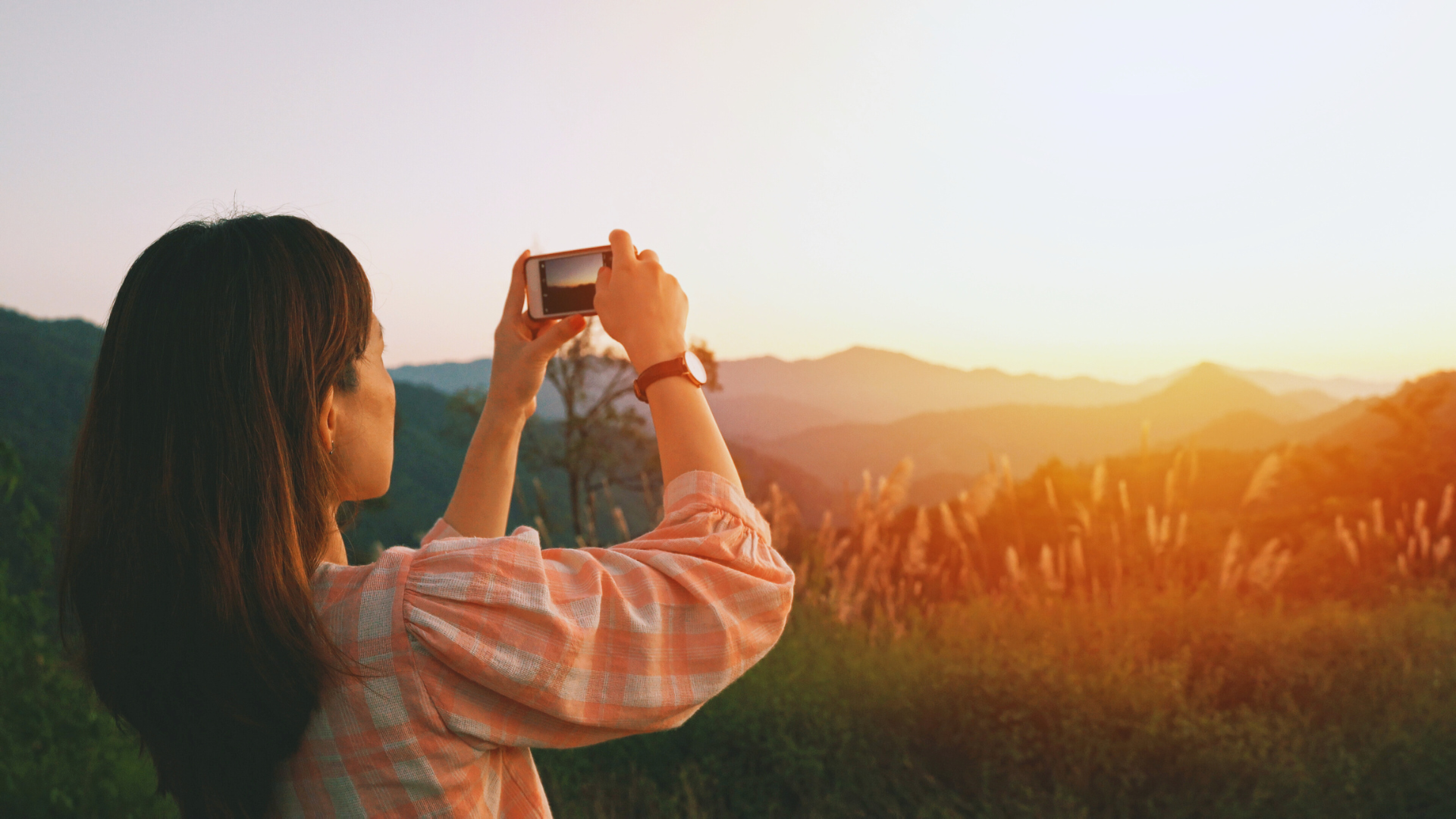
Capturing stunning travel photos doesn’t require expensive equipment. Many smartphone cameras are equipped with powerful features that can produce impressive results. By mastering a few simple techniques, anyone can enhance their travel photography skills and create memories that last a lifetime.
Lighting plays a crucial role in photography, and knowing how to utilise natural light can elevate any image. For instance, early mornings and late afternoons provide softer, more flattering light for photos. Additionally, understanding composition techniques, such as the rule of thirds and leading lines, can make a significant difference in how travel photos are perceived.
Editing can also enhance the visual appeal of images taken on a smartphone. Using editing apps, one can adjust brightness, contrast, and saturation to make photos pop. With these skills, anyone can turn ordinary snapshots into vibrant records of their adventures.
Mastering Your Smartphone Camera Settings
Understanding the camera settings available on a smartphone can significantly enhance photographic results. Key aspects like resolution, aperture, and specific modes can transform ordinary shots into stunning visuals.
Understanding Resolution and Aperture
Resolution determines the detail in a photo. Smartphones typically range from 12 to 108 megapixels. A higher megapixel count allows for larger prints and more cropping options without losing clarity.
Aperture controls how much light enters the camera. In smartphone photography, it is often represented as an f-number (e.g., f/1.8). A lower f-number indicates a larger aperture opening, allowing more light and creating a blurred background effect. Users should adjust these settings according to lighting conditions to achieve the best results.
Making the Most of Portrait Mode
Portrait mode is designed to focus on the subject while blurring the background, creating a professional look. It uses depth sensors to separate the subject from the surroundings.
To maximise this feature, ensure good lighting conditions. Natural light is ideal as it enhances the subject’s features. The distance between the subject and the background also plays a critical role; a greater separation often results in a more striking effect. Popular devices, such as those from Apple, continually improve this mode for clearer and more realistic results.
Using Night Mode for Low-Light Scenes
Night mode enables users to capture clear images in low-light environments by using longer exposure times. It works by taking multiple shots in quick succession and blending them to reduce noise.
Activating night mode is typically straightforward. Most smartphones automatically detect low light and prompt the user to switch modes. To enhance results, users should keep their device steady, using a tripod if possible. Ensuring that lights or bright sources are aimed correctly can also add depth and interest to night photography.
Compositional Techniques for Great Travel Photos
Effective composition can elevate travel photos from ordinary to extraordinary. Key techniques such as the rule of thirds and understanding how to capture both landscapes and portraits play a vital role in achieving impactful images.
Applying the Rule of Thirds and Grid Lines
The rule of thirds is a fundamental compositional technique that guides photographers in placing focal points. By dividing the frame into a 3×3 grid, important elements can be aligned along the grid lines or at their intersections. This creates a more balanced and engaging photo.
Many smartphones come with grid line overlays that can be enabled in camera settings. This tool helps in recognising composition in real-time, assisting in better framing of scenes.
For effective utilisation, one might position a horizon along the top or bottom third line. Similarly, placing a subject off-centre creates tension and dynamic interest. This method transforms standard landscapes and everyday scenes into more compelling travel images.
Capturing Landscapes and Portraits
When photographing landscapes, it’s essential to consider the foreground, middle ground, and background to create depth. Including interesting foreground elements can provide a sense of scale and dimension.
For portraits, natural lighting can enhance a subject’s features. Stepping back to capture a bit of the environment alongside the subject can provide context. Framing the subject within natural elements, like doorways or trees, adds layers.
Employing different angles and perspectives can significantly alter the impact of both landscape and portrait photography. A high angle can show vast terrains, while a low angle can elevate the subject, adding drama. Each choice contributes to the overall narrative of the travel image.
Capturing Amazing Photos in Different Environments
Taking high-quality travel photos requires adapting techniques to various environments. Targeting optimal lighting conditions, understanding night photography, and mastering street photography can significantly enhance the quality of mobile photos.
Optimising Lighting and the Golden Hour
Lighting is key to creating stunning images. The golden hour, which occurs shortly after sunrise and before sunset, provides soft, warm light that enhances colours and reduces harsh shadows.
To make the most of this time:
- Plan Ahead: Check sunrise and sunset times in your location.
- Use Natural Reflections: Position subjects near water or reflective surfaces to add depth.
- Adjust Settings: Utilise your phone’s manual settings, if available, to control exposure.
Shooting during this period yields images with an inviting atmosphere, perfect for landscapes and portraits alike.
Taking Night-Time Shots and Long Exposure Images
Night photography presents unique challenges and opportunities. With the right techniques, one can capture breathtaking images of cityscapes and starry skies.
Consider these tips:
- Stabilise the Camera: Use a tripod or a stable surface to reduce blur.
- Utilise Long Exposure: Experiment with long exposure settings to create light trails or smooth water effects.
- Increase ISO Sensitivity: Adjust the ISO settings to achieve brighter images without losing detail.
Incorporating these techniques allows for stunning captures that convey the essence of night-time adventures.
Street and Vacation Photography Essentials
Street photography combines spontaneity with storytelling. Capturing authentic moments can produce striking images that reflect local culture.
For effective street photography:
- Be Observant: Look for candid moments. Those genuine expressions or interactions often make powerful shots.
- Use Natural Framing: Incorporate elements like doorways or windows to frame subjects creatively.
- Respect Privacy: While candid shots are valuable, always be mindful of people’s comfort.
During vacations, focus on the essence of the location. Capture not just landmarks but the experiences that define the trip, ensuring a diverse portfolio of visual memories.
Editing and Enhancing Your Travel Photos
Editing plays a crucial role in making travel photos more captivating. The right apps and techniques can transform ordinary images into striking visuals, maximising their impact. Below are effective methods and tools for editing and enhancing travel photos.
Using Lightroom, Snapseed, and VSCO
Each app offers distinct features perfect for enhancing travel photographs. Lightroom is ideal for those seeking to make precise adjustments. Users can manipulate exposure, contrast, and colour balance. It also features presets to streamline the editing process.
Snapseed, on the other hand, provides a user-friendly interface with a variety of filters and tools. The Healing tool is excellent for removing distractions, while the Brush tool allows for selective adjustments.
VSCO is known for its stylish filters, which can give images a unique aesthetic. It offers advanced editing options like adjusting highlights and shadows, empowering users to create a specific mood.
Top Tips for Mobile Photo Editing
To get the best results from mobile editing, it’s essential to focus on a few key strategies.
- Crop and straighten: Adjust framing to eliminate distractions. This simple step can significantly improve composition.
- Adjust lighting: Brighten shadows and reduce highlights to achieve balance. Tools within the apps can help with this.
- Enhance colours: Use vibrance to make colours pop without over-saturating, preserving natural beauty.
- Consistency: Maintain a similar editing style across photos for a cohesive look when sharing them.
Following these tips ensures that edits enhance rather than overwhelm the original image.
Saving and Sharing on Instagram
Sharing travel photos on Instagram requires consideration of image quality and aesthetic appeal.
- Save images in high resolution: Export images from editing apps like Lightroom or Snapseed in the highest quality possible.
- Use Instagram’s features: Incorporate Stories and Reels to share dynamic content. Use hashtags relevant to your travel destination for greater visibility.
- Create a cohesive feed: Plan the layout of posts for a harmonious colour scheme. This attracts more followers and keeps viewers engaged.
With the right techniques and apps, enhancing travel photos can be straightforward and effective, leading to a more rewarding sharing experience.