
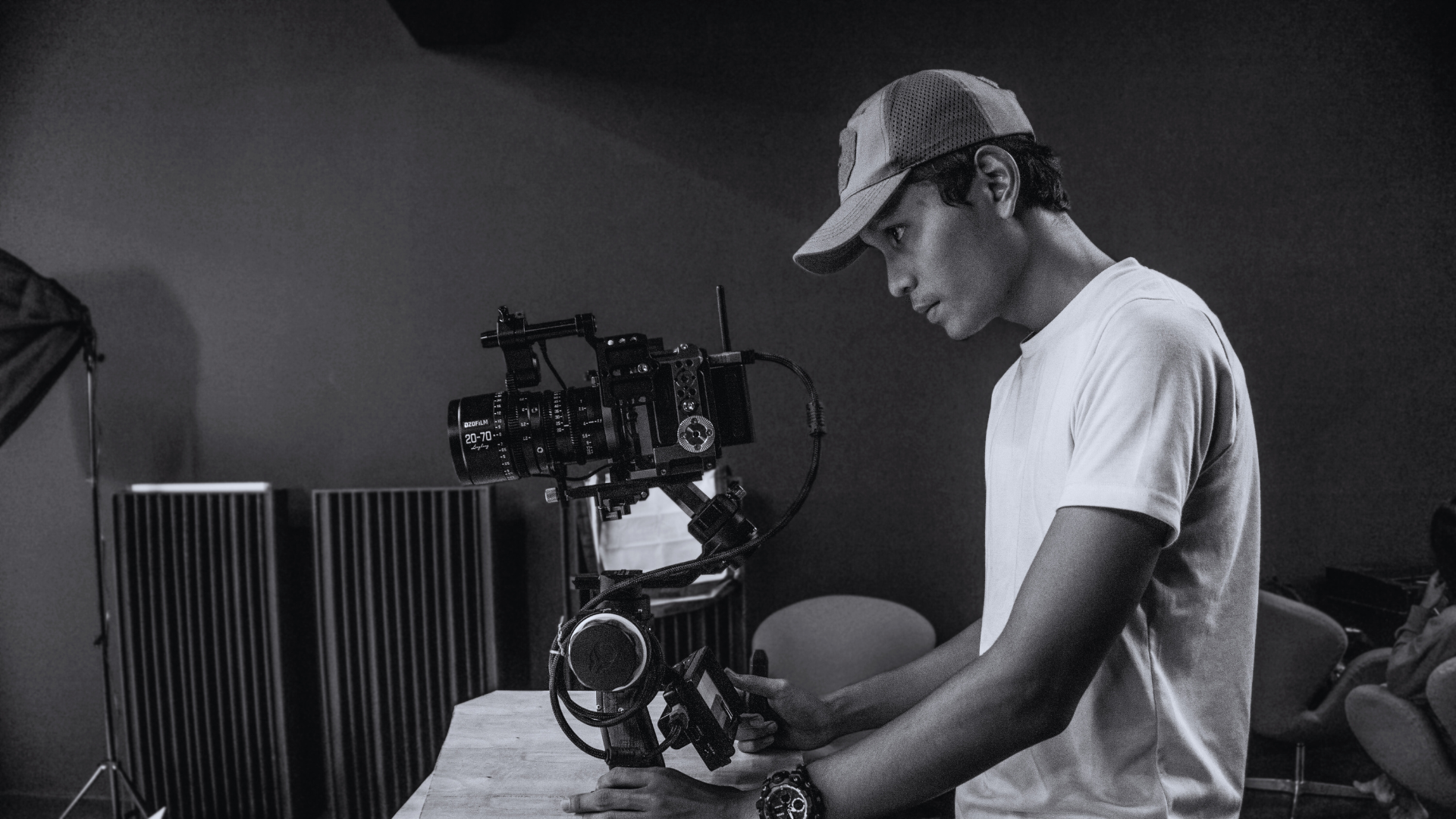
Many amateur photographers face common pitfalls that can hinder their growth and creativity. Understanding these mistakes is essential for improvement. Recognising issues such as poor composition, incorrect exposure settings, and insufficient knowledge of lighting can greatly enhance their photography skills.
One frequent error is neglecting the fundamentals of composition. Many beginners may rely solely on automatic settings and overlook the impact of framing and perspective. By learning to use techniques like the rule of thirds and leading lines, they can create more visually compelling images.
Another common challenge is mismanaging exposure. A lack of awareness regarding ISO, aperture, and shutter speed can result in photos that are too dark or too bright. Understanding these three elements and how they interact allows an amateur to achieve a balanced exposure, making their photographs more polished and professional.
Fundamental Camera Setting Mistakes 02/05/2025
Amateur photographers often struggle with fundamental camera settings, leading to poor image quality. Key areas of focus include ISO selection, shutter speed application, and f-stop choices, which can significantly affect the final outcome of a photograph.
Incorrect ISO Choices
ISO determines the camera sensor’s sensitivity to light. Choosing an incorrect ISO can result in either grainy images or underexposed photos. In low light situations, many amateurs increase the ISO without considering the trade-off of noise.
For daytime or well-lit conditions, a lower ISO, such as 100 or 200, is ideal. A higher ISO, like 800 or above, might be necessary in darker settings. It’s crucial to balance ISO with optimal shutter speed and f-stop for the best results.
When shooting with DSLR cameras, brands such as Canon and Nikon provide built-in noise reduction features. Understanding the sensor’s capabilities is essential for achieving optimal results.
Misused Shutter Speed
Shutter speed controls the duration the camera sensor is exposed to light. Selecting the wrong shutter speed can lead to motion blur or overexposed images. Photographers must match the shutter speed to the subject’s movement and lighting conditions.
For stationary subjects, a shutter speed of 1/60 second is often sufficient. When photographing moving subjects, faster speeds like 1/500 second or faster are recommended to freeze action. It’s important to adjust the shutter speed according to the lens focal length to avoid camera shake.
Using a tripod can help mitigate motion blur when slower shutter speeds are necessary in low-light situations. Mastering this setting can greatly enhance image sharpness and quality.
Inappropriate F-stop Selection
The f-stop controls the aperture size, affecting both exposure and depth of field. Amateur photographers frequently misuse this setting, leading to unintended results. A wide aperture (e.g., f/1.8) creates a shallow depth of field, ideal for portraits, while a narrow aperture (e.g., f/16) increases depth of field, suitable for landscapes.
Choosing the wrong f-stop can compromise the desired effect. A narrow depth of field may distract from the subject, while too much depth may lose focus on the intended focal point. Photographers should experiment with various f-stop settings to see how they impact their images.
Balancing f-stop with ISO and shutter speed is key to achieving well-exposed, impactful photographs.
Common Composition Errors
Many amateur photographers struggle with composition, often resulting in unbalanced and uninspiring images. Understanding common errors can significantly enhance the quality of their work.
Ignoring the Rule of Thirds
Amateurs frequently ignore the rule of thirds, which is a fundamental guideline in composition. This principle involves dividing the frame into a 3×3 grid, placing key elements along these lines or at their intersections.
For example, instead of centring a subject, positioning it at one of the intersections can create a more dynamic balance. Using this method often leads to a more engaging composition. They might find that landscapes benefit from placing the horizon along the top or bottom third, while portraits become more interesting when the subject’s eyes align with the top third line.
Overlooking Patterns and Balance
Patterns can add visual interest, yet many photographers fail to recognise them. Patterns arise from repetition in shapes, colours, and lines, helping to guide the viewer’s eye.
Incorporating these patterns can lead to thought-provoking images. For example, capturing rows of flowers or architectural lines can evoke a sense of harmony. Balance also plays a critical role; a well-balanced image ensures that no single element overwhelms others. Photographers should consider using symmetry or contrasting elements to achieve visual equilibrium.
Poor Depth of Field Control
Depth of field affects how much of an image is in focus. Inexperienced photographers may not adjust their aperture settings effectively, leading to images that are either overly blurred or too sharp.
To control depth of field, understanding the relationship between aperture, focal length, and distance from the subject is essential. A wider aperture (lower f-value) creates a shallow depth of field, isolating the subject and producing a pleasing bokeh effect. Conversely, a narrower aperture (higher f-value) sharpens more of the scene, which can be ideal for landscapes.
Making these adjustments allows photographers to better convey their intended message and enhance the visual impact of their photographs.
Lighting and Equipment Challenges
Amateur photographers often face challenges related to lighting and the equipment they use. Proper management of lighting conditions and understanding equipment capabilities can significantly enhance the quality of photos.
Relying on Built-In Flash
Many beginners depend heavily on the built-in flash of their cameras for lighting. This approach can lead to harsh shadows and an unflattering look in photographs.
Using external flash units or softboxes can provide a more controlled lighting environment.
Tips for better lighting:
- Use bounce flash: Redirect the light towards a ceiling or wall for softer illumination.
- Consider natural light: Whenever possible, utilise available light for a more pleasing effect.
- Experiment with settings: Adjust the exposure compensation to balance the flash with ambient light.
These methods can help achieve a more professional look similar to that of experienced photographers.
Improper Use of Manual Focus
Learning to use manual focus effectively is critical for achieving sharp images, especially in landscape photography. Many amateurs struggle with the transition from autofocus, resulting in blurry images.
Key points for mastering manual focus:
- Use a tripod: This stabilises the camera, allowing for precise adjustments without shaking.
- Zoom in on the subject: Most cameras have a zoom feature in live view mode for focusing accuracy.
- Practice with low light: This scenario often demands careful focus control, enhancing overall skills.
By honing manual focus techniques, photographers can elevate their craft and produce clearer, more engaging photographs.
Post-Processing and Editing Oversights
Many amateur photographers encounter pitfalls during post-processing and editing. Recognising these oversights can significantly enhance the quality of their final images.
Over-Editing in Lightroom and Photoshop
One common mistake is over-editing, which often leads to unrealistic images. When using programmes like Lightroom and Photoshop, adjustments should enhance a photo, not distort it.
Key areas to watch:
- Saturation and Vibrance: Overly saturated colours can appear unnatural. A subtle increase is usually more effective.
- Clarity and Structure: While sharpening can add detail, excessive clarity can create unwanted noise. Use these sliders with caution.
- Skin Retouching: It’s vital to maintain natural textures. Heavy smoothing can make subjects look artificial.
Amateurs should focus on making small, incremental edits. Regularly comparing the edited image to the original can help maintain balance and realism.
Neglecting a Consistent Editing Process
Another issue is the lack of a consistent editing process. An unstructured approach to post-processing can lead to a disjointed look across a series of photographs.
Establishing an effective workflow:
- Create Presets: Consistent edits can come from custom presets in Lightroom. They help in maintaining style.
- Batch Processing: This allows for applying the same adjustments to multiple images, ensuring uniformity.
- Check Histograms: Regularly reviewing histograms can prevent future mistakes like clipped highlights or shadows.
By implementing a systematic approach, photographers can enhance their editing efficiency and maintain cohesion in their portfolios.